How to sleep after a night shift: a calmer daytime routine
The shift ends as the day begins. You head home tired, but the neighborhood is waking up, sunlight is filling the windows, and sleep suddenly feels like work. That friction is real: night work asks your body to rest while its internal timing and the world outside are signaling daytime. A steady routine cannot remove every conflict, but it can make daytime sleep more protected and predictable.
Give sleep the first part of your day
After a night shift, errands and chores can easily consume the hours when sleep may come most readily. NIOSH recommends going to bed soon after you get home and getting as much sleep as possible. If you need a short transition, keep it repeatable: a light snack if you are hungry, wash up, set your room, and begin your wind-down. Save optional tasks for after you wake when you can.
Make the room signal “sleep”
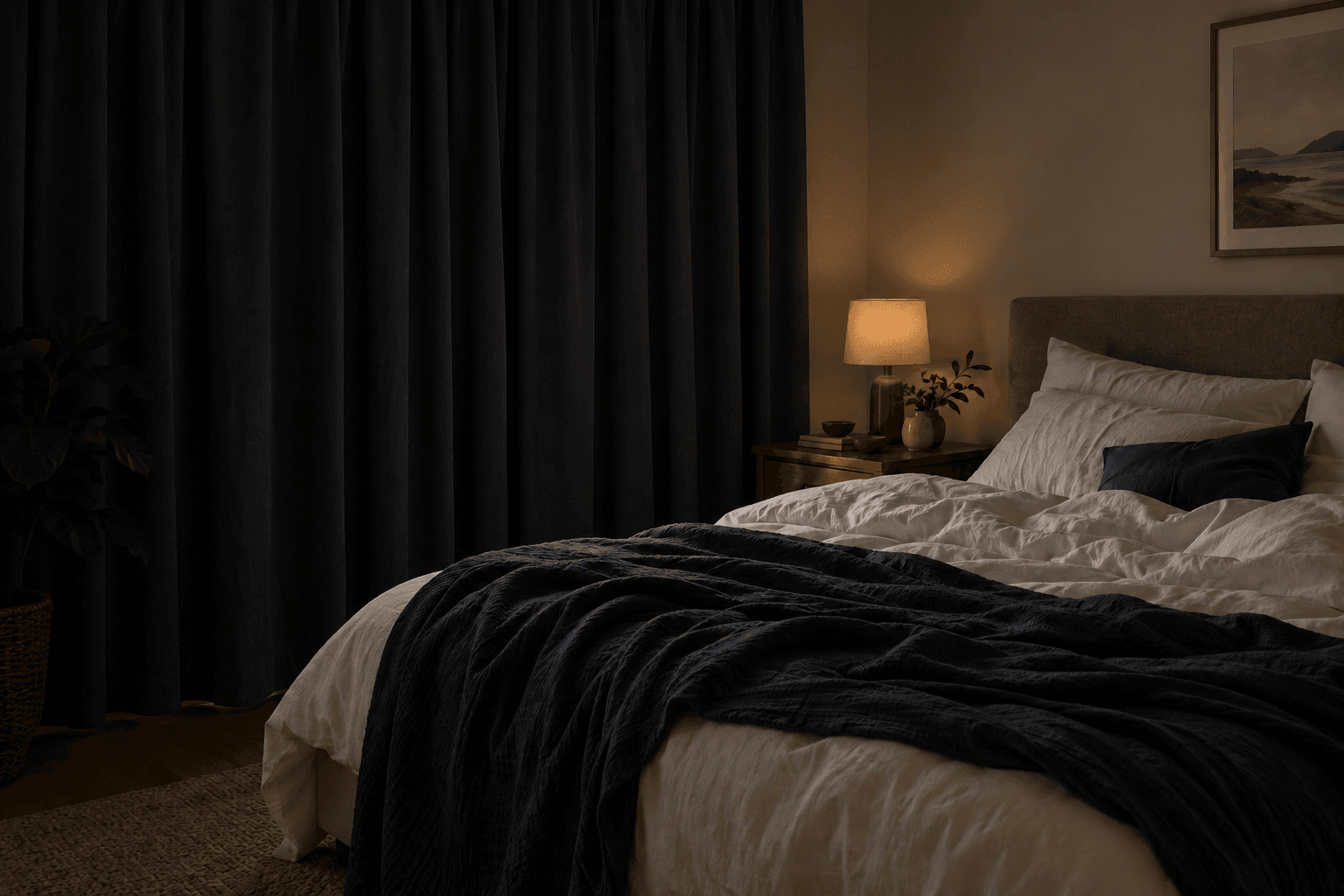
Light, sound, and heat can all work against a daytime sleep window. Make the bedroom as dark as practical with opaque curtains or shades, cover small light sources, and silence notifications. Keep the room comfortably cool and ask household members to protect your sleep hours where possible. Earplugs or a steady, low-volume sound may help soften ordinary background noise; choose whatever is comfortable and safe for you.
A wind-down routine can also help mark the change from work to rest. Dim the lights, step away from stimulating tasks, and repeat a few quiet steps in the same order. NIOSH’s guidance on a sleep environment and preparing for sleep has more practical suggestions: create a good sleep environment and prepare for sleep.
Keep one dependable sleep anchor
Rotating shifts can make a perfect schedule unrealistic. Instead, look for an overlap you can protect: a consistent block of sleep after work, or a reliable wake time when your shifts allow it. A predictable anchor gives your body clock a clearer pattern than changing the entire sleep window from day to day. If you have a stretch of days off, decide in advance how you will shift your schedule, knowing that switching back and forth can still feel difficult.
NIOSH explains that the body clock is strongly affected by light and may take time to adapt to a new sleep schedule. Its recommendations for night and evening workers include going to bed soon after work and considering a nap before returning to the shift: coping with night and evening shifts.
Move caffeine earlier
Caffeine can linger, so timing matters. NIOSH advises night workers to stop caffeine several hours before the end of a shift. If you are sensitive to it, you may need an earlier cutoff. Avoid trying to solve short sleep with more and more caffeine; protect a real sleep opportunity first.
Use naps as a supplement, not a replacement
If you cannot get enough sleep in one block, a planned nap before the next shift may help you feel more rested. Leave yourself time to wake fully before working or driving. A nap does not replace regular, sufficient sleep, and the best timing depends on your shift, commute, and how your body responds.
Take persistent sleep trouble seriously
If daytime sleep remains short or unrefreshing despite enough time set aside, or you regularly feel dangerously sleepy while working or commuting, talk with a healthcare professional. Shift schedules can create real sleep challenges; you deserve advice that accounts for your job and health. For more general ideas on a quiet bedroom, see our guide to what to do when you are tired but cannot sleep.
The goal is not a perfect routine on a difficult schedule. It is a protected sleep window, a room that helps you use it, and a few repeatable choices that make the transition out of work less abrupt.
Common questions
Why is it so hard to sleep after a night shift?
Your work hours can conflict with your body clock. Daylight and the normal daytime rhythm encourage alertness just as you are trying to sleep, and noise or household activity can shorten your rest.
Should I go to bed as soon as I get home?
NIOSH suggests going to bed soon after arriving home for night workers, so you can use the earlier part of the day for sleep. Keep the routine simple and allow enough time for a full sleep opportunity.
Can I use caffeine during a night shift?
Caffeine may help alertness earlier in a shift, but it can make sleep harder if it is too close to bedtime. NIOSH advises night workers to stop caffeine several hours before the shift ends; individual sensitivity varies.
What if I feel too sleepy to drive home?
Treat drowsy driving as a safety issue. If you are struggling to stay alert, do not rely on willpower; use a safer ride, rest before traveling, or ask someone for help where possible.
Give daytime sleep a quieter backdrop
A steady soundscape can help make a protected sleep window feel quieter. DreamTide lets you layer gentle sounds and set a timer to fade them toward silence. 32 soundscapes and stories are free to use without subscribing. A 7-day introductory offer may be available to eligible new subscribers; the offer shown in your app store before purchase controls.